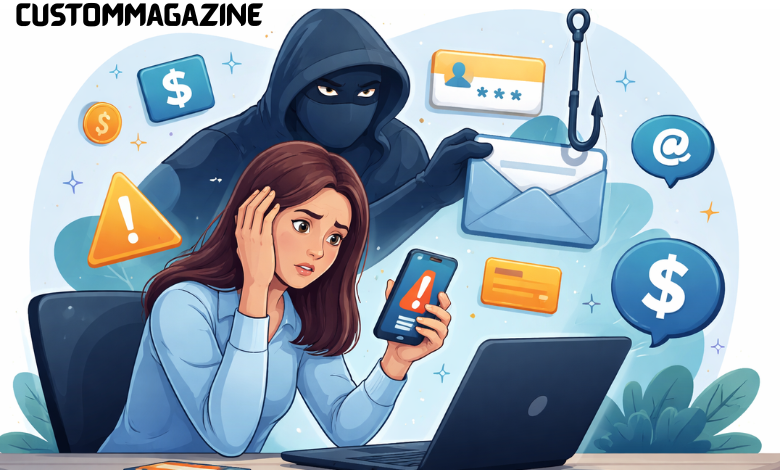
Fraud has become one of the most pervasive issues in today’s digital world. With the increasing reliance on online platforms for shopping, banking, investing, and sharing personal information, the opportunities for fraudsters to exploit individuals and organizations have expanded. While much focus is placed on the fraudster — the one who commits the fraudulent act — it is equally important to understand the role of the fraudee: the person who suffers as a result of fraud. This article will explore what it means to be a fraudee, how fraud impacts them, and the steps that can be taken to recover from such unfortunate situations.
What is a Fraudee?
The term “fraudee” refers to the victim of fraud — the individual or entity that suffers as a result of the fraudulent actions of a fraudster. Just as an “employee” is employed and a “payee” is paid, a “fraudee” is the one upon whom fraud is committed. The fraudee is often manipulated, deceived, or coerced into a situation where they lose something of value, whether it be money, information, or trust.
Understanding the fraudee is crucial in discussing fraud because it shifts the conversation from just focusing on the criminal to understanding how fraud impacts the victim. This is essential not only for legal purposes but also for educating the public about the consequences of fraud and the importance of protection against it.
How Fraud Affects the Fraudee
Fraud can affect its victim in many ways, depending on the nature of the fraud and the resources involved. Below are some of the most common forms of fraud and how they impact the fraudee.
1. Online Shopping Fraud
One of the most common types of fraud today is online shopping fraud. Fraudsters set up fake e-commerce websites offering branded goods at bargain prices. When a victim places an order and pays, they either receive no product at all or a substandard one.
For the fraudee, the immediate impact is financial loss. They might lose the money they spent on the order, and if the product is of poor quality or never arrives, the damage is even more significant. In some cases, the fraudee might even feel a sense of betrayal, especially if they thought they were shopping on a legitimate platform.
2. Phishing Scams
Phishing scams involve fraudsters sending fraudulent emails or messages that look like they came from a trusted source, such as a bank or service provider. These messages typically ask the fraudee to verify personal information, such as account numbers, passwords, or social security details. Once the fraudster receives this information, they use it to steal funds or commit identity theft.
For the fraudee, phishing can lead to significant financial loss and emotional distress. Recovering stolen identity or funds can take months, during which the victim might face issues like being denied loans, credit, or facing identity theft complications.
3. Investment Scams
Investment fraud, including Ponzi schemes and fake investment opportunities, is another common form of fraud. The fraudster promises high returns on investments, often using high-pressure tactics to convince the fraudee to act quickly without fully understanding the risks. Once the fraudee invests, the fraudster disappears with the money.
The consequences for the fraudee are severe: they lose the money they invested and may face long-term financial setbacks. The emotional toll is also significant, as victims often experience feelings of regret, embarrassment, and distrust in future investments.
4. Credit Card Fraud
Credit card fraud occurs when a fraudster gains unauthorized access to an individual’s or company’s credit card details. This could be through physical theft, digital hacking, or phishing attacks. The fraudster then uses the card to make unauthorized purchases.
For the fraudee, the consequences are often immediate financial loss, but they can also include damage to their credit score if the fraudulent transactions go undetected for a long time. It can take months or even years to fully recover from credit card fraud, especially if the victim has to deal with the aftermath of identity theft or bank disputes.
The Psychological and Emotional Impact of Being a Fraudee
Beyond the financial consequences, being a fraudee can have significant emotional and psychological effects. Victims of fraud often feel a deep sense of betrayal, guilt, and shame. Many fraud victims wonder how they fell for the scam, and this can lead to a loss of self-confidence. The fraudee may also experience anxiety, fear, and stress, particularly if the fraud involves large sums of money or the theft of their identity.
These emotional impacts can persist long after the fraud has occurred. Victims may become more suspicious of future transactions, making it difficult for them to trust financial institutions, businesses, or even friends and family. Over time, this can affect their ability to function in everyday life, creating a cycle of fear and distress that is difficult to break.
Long-Term Consequences for the Fraudee
The consequences of fraud do not end once the initial financial loss is addressed. Fraud can have long-lasting effects on a fraudee’s financial situation, reputation, and personal life.
1. Financial Loss and Debt
The most immediate consequence of fraud is financial loss. In many cases, the fraudee is left struggling to recover their lost funds. Even if the fraudster is caught and the funds are returned, the process of recovering money can be slow and complicated. If the fraud involves a business, the company might face a loss of operational funds or investor confidence, which can hurt future growth.
In some instances, the fraudee may end up in debt as a result of the fraud. For example, if credit card fraud occurs, the fraudee may find themselves unable to pay off the balance due to the fraudulent charges, leading to a cycle of debt and missed payments.
2. Damage to Reputation
For businesses, being a victim of fraud can severely damage their reputation. When fraud is discovered, it can shake the trust customers have in the business, leading to a loss of clientele and revenue. Customers may question the reliability of the company and feel uncertain about engaging with the business in the future. This erosion of trust can have a long-lasting impact, affecting the business’s ability to recover from the fraud and regain consumer confidence.
On a personal level, individuals who fall victim to fraud — especially in cases of investment or business fraud — may suffer reputational damage as well. Friends, family, and colleagues may begin to question their judgment or decision-making capabilities. Victims may feel embarrassed or ashamed, and the stigma surrounding being defrauded can create an emotional burden. These reputational concerns may lead to a loss of social and professional standing, making it harder to rebuild trust within personal and professional networks.
3. Legal and Regulatory Issues
In addition to the emotional and financial consequences of fraud, victims may also face legal complications. When personal or financial data is stolen, the fraudee often finds themselves tangled in legal battles to restore their identity or recover lost funds. This can involve lengthy procedures, particularly when dealing with identity theft or unauthorized transactions. Fraud victims may need to engage legal professionals to help resolve issues such as disputes with creditors or getting their credit report cleared of fraudulent activity.
For businesses, the legal impact of fraud can be even more severe. In cases of business fraud, companies may face regulatory scrutiny, penalties, or even lawsuits from customers, investors, or partners. This legal fallout can compound the financial losses from the fraud itself, leading to potential long-term damage for the business. Moreover, businesses may be held accountable for inadequate security measures or failure to prevent the fraud, resulting in further legal consequences.
Legal Rights and Protections for Fraud Victims
Although the impact of fraud on victims is severe, it is important to remember that fraud victims, or fraudees, have legal rights designed to help them recover their losses and seek justice. While the protections available vary depending on the country, type of fraud, and specific circumstances, common legal rights for fraudees include:
Right to Report Fraud
Fraud victims have the legal right to report fraud to the relevant authorities, such as law enforcement agencies, consumer protection bodies, or financial regulators. When a fraud is reported, authorities may initiate an investigation to track down the fraudster and recover stolen funds. By reporting fraud, victims contribute to broader efforts to combat fraud and may help prevent others from becoming victims.
Right to Dispute Transactions
If a fraud victim notices unauthorized charges on their credit card or bank statement, they have the right to dispute these transactions with their bank, credit card provider, or payment platform. Most financial institutions offer a dispute resolution process that enables the victim to report the fraudulent transaction, investigate it, and, in many cases, recover the lost funds. In cases of credit card fraud, some payment providers offer fraud protection services that allow for the reimbursement of unauthorized transactions.
Right to Compensation
Depending on the specific nature of the fraud and the jurisdiction in which it occurs, the fraudee may be entitled to compensation for their losses. This compensation can take various forms, such as a reimbursement for stolen money or a financial settlement to cover damages. In some cases, the victim may need to pursue legal action to secure compensation, particularly if the fraudster is identified and held accountable in court.
Legal Recourse
In cases where the fraudster is caught, victims have the right to pursue legal action against them. This can involve filing a civil lawsuit to recover damages or pressing criminal charges against the fraudster. In certain jurisdictions, the law provides strong protections for fraud victims, allowing them to take legal action against perpetrators of fraud. However, the process of seeking justice can be complex, requiring legal expertise and significant time and effort to hold the fraudster accountable.
Safeguarding Yourself and Rebounding from Fraud
While it is impossible to entirely eliminate the risk of falling victim to fraud, there are steps that individuals and businesses can take to reduce their exposure and minimize the potential impact. Here are some key strategies to protect yourself and recover from fraud:
Stay Vigilant
One of the most important things you can do is stay alert and cautious of any unsolicited communication you receive. Whether it’s an email, phone call, or message asking for personal information, always verify the legitimacy of the source before sharing any sensitive details. Fraudsters often use fake emails or phone numbers that appear to be from trusted institutions, so it’s essential to double-check the authenticity of the request.
Use Secure Payment Methods
When making payments online or through mobile apps, always use secure payment methods that offer fraud protection. Credit cards and payment platforms like PayPal often provide buyer protection in case of fraud. Avoid making payments through unsecured or unverified channels, as this can leave you vulnerable to fraud.
Monitor Your Accounts Regularly
Another critical measure is to monitor your bank accounts, credit cards, and other financial accounts regularly. Check for any unauthorized transactions or changes to your account that you did not authorize. The sooner you detect fraud, the better the chances of minimizing the damage and recovering your funds.
Educate Yourself
Being knowledgeable about common scams and fraud tactics can help you recognize fraudulent activity early. Stay informed about the latest scams, including phishing emails, fake investment opportunities, and online shopping fraud. By understanding how fraud works, you can better protect yourself and avoid falling victim to deceptive schemes.
Report Fraud Immediately
If you believe you have fallen victim to fraud, report it immediately to the relevant authorities. This could include your bank, the police, or consumer protection organizations. The quicker you act, the better your chances of recovering your losses and preventing further damage. Many financial institutions and regulatory bodies have systems in place to investigate fraud and help victims recover their funds.
Conclusion
Becoming a fraudee is a difficult experience that can have long-lasting emotional, financial, and legal consequences. The damage to one’s reputation, the burden of dealing with legal issues, and the ongoing financial loss can make recovery a long and challenging process. However, by understanding the types of fraud, the impact on victims, and the legal protections available, individuals and businesses can take proactive steps to minimize their risk and protect themselves from falling victim to fraud.
Through vigilance, education, and immediate action when fraud is suspected, we can reduce the chances of becoming a fraudee and support those who have already been affected. Protecting ourselves and advocating for stronger fraud prevention measures will help us navigate an increasingly digital and connected world with greater confidence and security.
