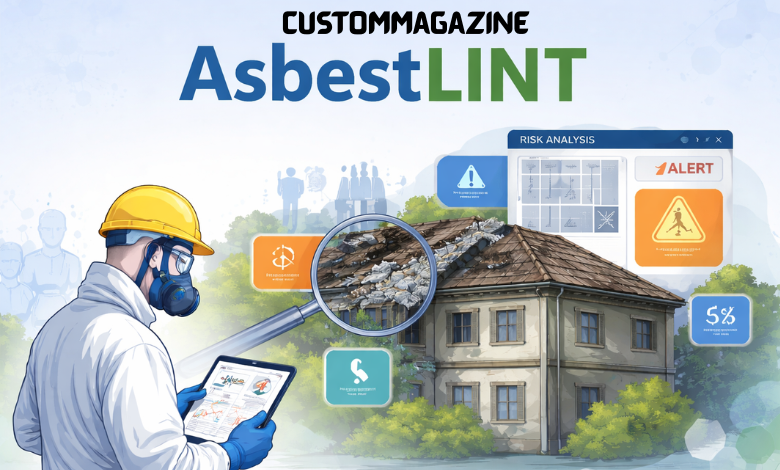
Asbestos, a mineral once hailed as a miracle material for its fire resistance, durability, and insulating properties, has become infamous over the past few decades due to the severe health risks it poses. Despite being banned in many parts of the world, asbestos can still be found in older buildings, piping, insulation, and various other construction materials. The challenge for property owners, managers, and workers remains: how can we effectively identify, assess, and manage asbestos risks before they become a serious threat to health? Enter AsbestLINT, an emerging and critical concept in environmental safety and occupational health. This article explores what AsbestLINT is, how it works, and why it’s crucial in the ongoing battle against asbestos exposure.
What is AsbestLINT?
AsbestLINT is an advanced system designed to prevent asbestos-related hazards before they escalate into dangerous situations. Unlike traditional methods that often rely on reactive measures, AsbestLINT uses a proactive approach to detect potential asbestos risks in buildings and environments. Combining inspection logic, data analysis, and risk identification, it offers a modern solution that prioritizes early detection of asbestos-related threats.
The system’s core focus is on the early detection of material degradation, ensuring that asbestos fibers do not become airborne and pose a threat to human health. Asbestos-containing materials (ACMs) were widely used in construction, particularly in the mid-20th century. Though these materials were advantageous at the time, the long-term health risks associated with asbestos exposure are now well-documented. Asbestos fibers, when disturbed, can be inhaled, leading to serious diseases such as lung cancer, asbestosis, and mesothelioma. AsbestLINT aims to stop asbestos exposure before it reaches that point.
The Importance of Asbestos Management
Before we delve deeper into AsbestLINT, it’s essential to understand why asbestos remains a significant concern. Asbestos was used extensively in construction materials such as roofing sheets, insulation, floor tiles, pipe lagging, and cement products. Its widespread use continued until the health risks were fully recognized, and regulations surrounding its use became stricter.
Despite the ban on asbestos in many countries, older buildings that were constructed before the ban may still contain asbestos. The material itself doesn’t break down or decay quickly, and it can remain dormant for many years. Over time, however, these materials can deteriorate due to aging, moisture, temperature changes, or physical damage. When asbestos-containing materials wear down, fine asbestos fibers can be released into the air, posing significant health risks to those exposed to them.
AsbestLINT’s Role in Asbestos Risk Detection
One of the primary goals of AsbestLINT is early detection. This system goes beyond simple visual inspections and instead utilizes data-driven methods to evaluate potential threats. The process is structured around identifying subtle yet significant indicators of asbestos risk, such as material degradation, environmental conditions, and historical renovation records.
AsbestLINT’s primary functions include:
Material Degradation Detection: Asbestos fibers are typically bound within construction materials. Over time, these materials can deteriorate due to moisture, heat, or mechanical vibrations. The degradation patterns are often gradual, making it difficult to detect with the naked eye. AsbestLINT uses advanced algorithms to identify degradation indicators that could lead to the release of asbestos fibers.
Environmental Monitoring: Certain environmental factors, such as humidity levels, temperature changes, and vibrations, can accelerate the degradation of asbestos-containing materials. AsbestLINT incorporates sensors to monitor these environmental conditions in real-time. By gathering data on these variables, it can predict potential risks and alert property owners or managers before a problem arises.
Historical Data Analysis: AsbestLINT also looks at past renovation and maintenance records to assess the likelihood of asbestos disturbance. For example, areas that have been subject to frequent repairs or alterations may have a higher risk of asbestos exposure due to the possibility of materials being disturbed during renovations. By analyzing this historical data, AsbestLINT can pinpoint areas that may need immediate attention.
Risk Evaluation and Reporting: Once potential risks have been identified, AsbestLINT generates comprehensive reports that outline the severity of the threat and recommend corrective actions. This allows property managers to make informed decisions about mitigation strategies, ensuring that necessary steps are taken before asbestos fibers are disturbed.
How Asbestos Becomes Dangerous
The primary danger of asbestos lies in its ability to release fine, invisible fibers into the air. These fibers are so small that they cannot be seen by the naked eye, making them difficult to detect until it’s too late. When asbestos-containing materials are disturbed, whether due to age, wear, or human activity, these fibers can become airborne and enter the respiratory system.
Once inhaled, asbestos fibers can become embedded in the lungs and other organs, leading to serious health issues. Over time, repeated exposure can cause scarring of lung tissue (asbestosis) or, more dangerously, lead to the development of cancers such as mesothelioma or lung cancer. The latency period for these diseases is long, often taking decades to manifest after the initial exposure. This delayed onset makes it even more crucial to prevent exposure in the first place.
Why Early Detection Matters
The key to preventing asbestos-related health issues lies in early detection. Asbestos exposure is particularly dangerous when it is prolonged or occurs in a poorly managed environment. By identifying signs of material degradation or environmental changes that could lead to asbestos release, AsbestLINT can help prevent dangerous situations from arising.
For example, areas that have been subject to frequent vibration or humidity might experience faster deterioration of asbestos-containing materials. If not monitored regularly, these materials could break down and release fibers into the air. However, with AsbestLINT’s monitoring systems, property managers can receive alerts when conditions become hazardous, allowing for timely intervention before exposure occurs.
Early detection also reduces the likelihood of expensive remediation processes. When asbestos is identified before it becomes a significant health threat, it can be safely contained or removed, often at a lower cost. Proactive management also helps property owners comply with health and safety regulations, which can save them from potential fines and legal issues down the road.
The Future of Asbestos Risk Management
Asbestos remains a significant environmental and occupational hazard, especially in older buildings and construction sites. The implementation of advanced systems like AsbestLINT represents a significant step forward in how we manage and mitigate the risks associated with asbestos exposure. The integration of technology, data analysis, and real-time monitoring allows for a more comprehensive and proactive approach to asbestos management.
As awareness grows about the dangers of asbestos, industries are increasingly turning to systems like AsbestLINT to help them stay ahead of potential risks. Whether for building maintenance, demolition, or occupational safety, the ability to detect asbestos-related hazards before they become dangerous is crucial. In the future, it’s likely that we will see wider adoption of such systems across industries, ensuring that asbestos exposure is minimized and ultimately eliminated.
Conclusion
In conclusion, AsbestLINT is an innovative solution to the longstanding problem of asbestos exposure. By focusing on early detection and preventive risk management, it offers a more proactive approach to asbestos management, which is crucial in protecting the health of workers, residents, and visitors. As buildings age and environmental factors continue to change, systems like AsbestLINT provide an invaluable tool in preventing asbestos-related health issues before they can become a reality. Through the use of structured logic, environmental monitoring, and data analysis, AsbestLINT represents the future of asbestos risk management – one that prioritizes safety, health, and prevention over reactive measures.
