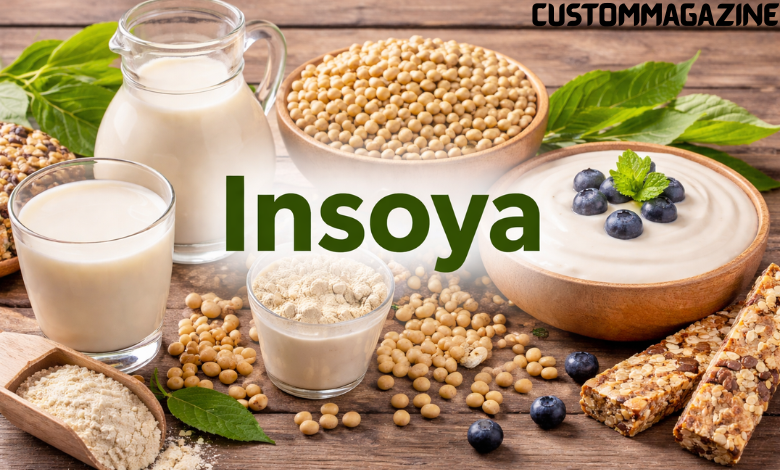
In recent years, plant-based nutrition has gained significant traction due to the increasing desire for foods that are not only healthy but also easier to digest and better for the environment. As more people seek smarter food choices, a new innovation in the world of soy has emerged—Insoya. This modernized version of traditional soy is rapidly gaining attention in nutrition, wellness, and sustainable food circles. But what exactly is Insoya, and how does it differ from conventional soy? In this article, we will take a closer look at Insoya, its origins, processing methods, and the benefits it brings to modern diets.
What is Insoya?
Insoya is an advanced form of soy that combines traditional soy’s benefits with modern food science, including fermentation and nutrient enrichment, to offer a product that is more digestible, nutritionally balanced, and suited to contemporary dietary needs. Unlike conventional soy, which has been a staple in many cultures for thousands of years, Insoya has been refined through modern processing techniques to make it a more functional food. Insoya’s potential as a healthier and more versatile ingredient in plant-based diets is what sets it apart from regular soy products.
While soy has been a dietary staple in East Asia for centuries, the rise of Insoya addresses some of the challenges that have come with soy consumption in the modern world, such as digestive discomfort, taste preferences, and concerns over excessive processing. By improving the way soy is prepared and consumed, Insoya aims to offer a better experience for those who wish to include soy in their diets but have found traditional forms of soy difficult to digest or unappealing in taste.
The Evolution of Soy and the Birth of Insoya
Soy has a long and rich history, particularly in East Asia, where it has been used for thousands of years. Foods like tofu, tempeh, miso, and soy milk have long been celebrated for their versatility, nutritional value, and ability to serve as a protein source in vegetarian and vegan diets. The cultural significance of soy is immense, especially in countries like China, Japan, and Korea, where it is deeply embedded in everyday life and culinary traditions.
However, as soy products gained global popularity, especially in Western markets, some drawbacks began to surface. Digestive discomfort, such as bloating and gas, became a common complaint for those who incorporated soy into their diets. Furthermore, the taste of soy was not universally appealing, and many people found it difficult to adjust to the flavor profile of traditional soy products. In addition, concerns about the processing methods of soy, as well as questions surrounding its sourcing, began to arise. As these issues became more apparent, the demand for a better, more refined form of soy grew.
In response to these challenges, Insoya was developed as an advanced form of soy that addresses many of the limitations associated with traditional soy products. By incorporating techniques such as fermentation, nutrient enrichment, and improved food science, Insoya has been created to be more digestible, nutritious, and suitable for modern diets.
The Process of Making Insoya
The production of Insoya begins with the selection of high-quality soybeans, which are then subjected to a fermentation process. This fermentation step is a key element in differentiating Insoya from traditional soy products. Fermentation not only improves the digestibility of soy by breaking down compounds that can cause discomfort but also enhances the nutritional profile by increasing the bioavailability of certain nutrients. For example, the fermentation process helps to reduce the levels of phytic acid in soy, which can interfere with the absorption of minerals.
After fermentation, Insoya is subjected to additional steps such as nutrient enrichment, which involves adding vitamins, minerals, and other functional ingredients to further enhance the nutritional value of the product. The resulting product is a more balanced source of protein, fiber, healthy fats, vitamins, and minerals.
Insoya can then be transformed into various forms, such as powders, plant-based milks, yogurt-style products, energy bars, or other food ingredients. Quality control checks are conducted at each stage to ensure consistency, safety, and shelf stability, resulting in a product that is not only nutritionally superior but also practical and convenient for everyday use.
Why Insoya is Gaining Attention
Insoya is capturing the attention of nutritionists, wellness experts, and consumers alike for several reasons. First and foremost, Insoya boasts a strong nutritional profile. Soy itself is known as one of the few plant-based foods that provide complete protein, meaning it contains all of the essential amino acids that the body needs. This makes it a valuable protein source, particularly for those following vegetarian or vegan diets.
Insoya builds upon the inherent benefits of soy by improving the processing and formulation of the product. As a result, Insoya offers a balanced mix of protein, fiber, healthy fats, and essential micronutrients such as vitamins and minerals. Because the fermentation process helps break down soy’s natural compounds and enriches its nutrient content, the body is better able to absorb and utilize these nutrients.
One of the primary advantages of Insoya is its digestibility. The fermentation process not only enhances the nutrient profile of the product but also makes it easier for the body to break down and absorb. This is particularly important for individuals who experience digestive issues when consuming traditional soy products. By improving digestibility, Insoya offers a more comfortable and accessible way for people to enjoy the benefits of soy without the negative side effects.
Insoya and Sustainability
Another reason Insoya is gaining attention is its potential for contributing to more sustainable food systems. As the world continues to face environmental challenges such as climate change and resource depletion, there is growing interest in plant-based foods as a more sustainable alternative to animal-based products. Soy, being a plant-based protein source, is already more environmentally friendly than animal-based proteins, but Insoya takes this sustainability a step further.
The fermentation process used in Insoya production requires fewer resources than traditional soy processing, making it a more energy-efficient method of producing soy-based products. Additionally, the increased nutrient density of Insoya means that consumers can obtain more nutritional value from smaller portions, potentially reducing food waste and promoting more efficient food consumption.
Furthermore, Insoya is often produced using non-GMO soybeans, which appeals to consumers who are concerned about the environmental impact of genetically modified crops. By prioritizing sustainability in its production methods, Insoya aligns with the growing demand for foods that are not only better for human health but also better for the planet.
Conclusion
Insoya represents the future of soy-based foods, combining the best aspects of traditional soy with modern food science to create a product that is more nutritious, digestible, and versatile. Through fermentation and nutrient enrichment, Insoya offers a complete protein source that is easier on the digestive system and more suited to the needs of modern consumers. As plant-based diets continue to gain popularity and sustainability becomes a greater concern, Insoya stands out as a promising solution for those looking for healthier, more sustainable food options. By improving the way soy is processed and consumed, Insoya offers a glimpse into the future of plant-based nutrition.
